Խնդրում ենք ընտրել հասցե

Profile

Վերադառնալ Edit Print

Identity / Movses Khorenatsi / The History of the Armenians
4 300 ֏
Edit Print
Identity / Movses Khorenatsi / The History of the Armenians
NEW
Identity / Movses Khorenatsi / The History of the Armenians
4 300 ֏
Edit Print
Brand:
ԷԴԻԹ ՊՐԻՆՏ
Country:
Armenia
Subsection:
Նկարագրություն:
Movses Khorenatsi, the father of Armenian historiography, is recognized as one of the most renowned figures in world historical literature. His monumental work, The History of the Armenians, covers the story of the Armenian people from the earliest times up to the 5th century, the period in which he lived. The book also contains rich material on ancient Armenian culture—especially early oral folklore—as well as valuable information on the history and cultures of neighboring countries and peoples.


The History of the Armenians consists of three books.

  • The first book explores the origins of the Armenian people, focusing in detail on the patriarch Hayk and his descendants—Aram, Aramanyak, Ara, and others.
  • The second book is devoted to the history of the Arsacid (Arshakuni) dynasty and concludes with the events surrounding the adoption of Christianity as the state religion of Armenia.
  • The third book recounts the history of Tiridates III’s successors, the first partition of Armenia between Persia and Rome in 387 AD, and the eventual fall of the Arsacid kingdom in 428 AD.


Khorenatsi drew upon a wide range of both Armenian and foreign sources, including literary, documentary, oral, and material evidence. Among the foreign written sources he cites are the Bible, the works of Homer, Herodotus, Manetho, Josephus Flavius, Eusebius of Caesarea, and others. His Armenian sources include both pre-Mashtotsian and post-Mashtotsian materials. Pre-Mashtotsian sources include the writings of Mar Abas Catina (2nd century BC), the Templar Histories, and The Useful Weave. Post-Mashtotsian literary sources include the works of Koryun, Agathangelos, and Faustus of Byzantium. Among the documentary sources are the Gahnamak—a registry of noble families and their ranks at the royal court—and foreign-language inscriptions discovered in Armenia. He also incorporated oral traditions, such as epic tales and songs collected from gusans (minstrels), including The Birth of Vahagn, Artashes and Satenik, Tigran and Azhdahak, as well as origin legends of noble houses and other traditional narratives.


Thanks to its well-structured composition, accurate chronology, and periodization, The History of the Armenians has become an enduring national treasure and a landmark of global historiographical thought. It served as a model for medieval Armenian historians, was widely copied, and remained the principal textbook on Armenian history in Armenian schools until the mid-19th century.
Կոդ:
EP-1105
*Required
​
Նկարագրություն

Movses Khorenatsi, the father of Armenian historiography, is recognized as one of the most renowned figures in world historical literature. His monumental work, The History of the Armenians, covers the story of the Armenian people from the earliest times up to the 5th century, the period in which he lived. The book also contains rich material on ancient Armenian culture—especially early oral folklore—as well as valuable information on the history and cultures of neighboring countries and peoples.


The History of the Armenians consists of three books.

  • The first book explores the origins of the Armenian people, focusing in detail on the patriarch Hayk and his descendants—Aram, Aramanyak, Ara, and others.
  • The second book is devoted to the history of the Arsacid (Arshakuni) dynasty and concludes with the events surrounding the adoption of Christianity as the state religion of Armenia.
  • The third book recounts the history of Tiridates III’s successors, the first partition of Armenia between Persia and Rome in 387 AD, and the eventual fall of the Arsacid kingdom in 428 AD.


Khorenatsi drew upon a wide range of both Armenian and foreign sources, including literary, documentary, oral, and material evidence. Among the foreign written sources he cites are the Bible, the works of Homer, Herodotus, Manetho, Josephus Flavius, Eusebius of Caesarea, and others. His Armenian sources include both pre-Mashtotsian and post-Mashtotsian materials. Pre-Mashtotsian sources include the writings of Mar Abas Catina (2nd century BC), the Templar Histories, and The Useful Weave. Post-Mashtotsian literary sources include the works of Koryun, Agathangelos, and Faustus of Byzantium. Among the documentary sources are the Gahnamak—a registry of noble families and their ranks at the royal court—and foreign-language inscriptions discovered in Armenia. He also incorporated oral traditions, such as epic tales and songs collected from gusans (minstrels), including The Birth of Vahagn, Artashes and Satenik, Tigran and Azhdahak, as well as origin legends of noble houses and other traditional narratives.


Thanks to its well-structured composition, accurate chronology, and periodization, The History of the Armenians has become an enduring national treasure and a landmark of global historiographical thought. It served as a model for medieval Armenian historians, was widely copied, and remained the principal textbook on Armenian history in Armenian schools until the mid-19th century.
Ապրանքի մանրամասներ
Language:
Armenian
Author:
Movses Khorenatsi
Printing:
Black and White
Dimensions:
14.5 x 20 cm
Edited by:
Nshan Abasyan
Publication date:
2023
Translated by:
Translated from Grabar (old Armenian) and annotated by Stepan Malkhasyants
Cover:
Hardcover
Pages:
358

Նմանատիպ ապրանքներ

NEW
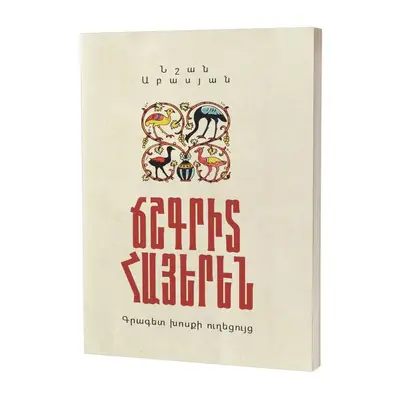
Accurate Armenian: A Guide to Effective Speech

Accurate Armenian: A Guide to Effective Speech

Edit Print

NEW
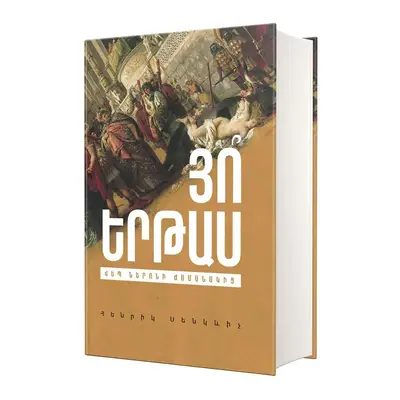
Henryk Sienkiewicz / Quo Vadis: A Novel of the Time of Nero

Henryk Sienkiewicz / Quo Vadis: A Novel of the Time of Nero

Edit Print

NEW
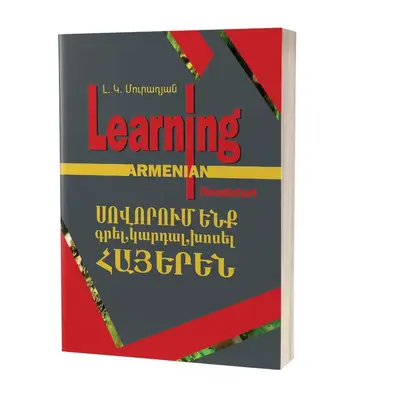
Learning Armenian Headstart. Learning to Write, Read, and Speak Armenian (A Methodological Guide for Teachers of Armenian as a Foreign Language)

Learning Armenian Headstart. Learning to Write, Read, and Speak Armenian (A Methodological Guide for Teachers of Armenian as a Foreign Language)

Edit Print

NEW
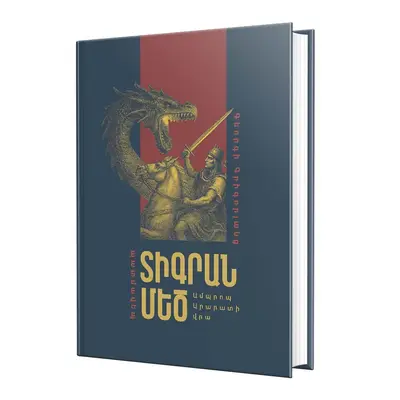
Historical Novel / Tigran the Great: Storm over Ararat

Historical Novel / Tigran the Great: Storm over Ararat

Edit Print

NEW
Historical Novel / Mesrop Mashtots: The Invention of the Armenian Alphabet

Historical Novel / Mesrop Mashtots: The Invention of the Armenian Alphabet

Edit Print

NEW
Insights into World Politics / Book 1

Insights into World Politics / Book 1

Edit Print

NEW
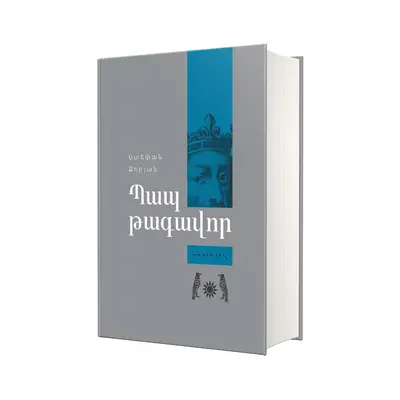
Historical Novel / King Pap

Historical Novel / King Pap

Edit Print

NEW
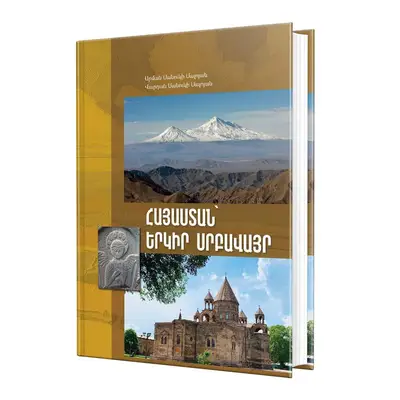
ARMENIA — LAND OF HOLY SITES

ARMENIA — LAND OF HOLY SITES

Edit Print

NEW
Identity / Eznik of Kolb / Refutation of the Sects

Identity / Eznik of Kolb / Refutation of the Sects

Edit Print

NEW
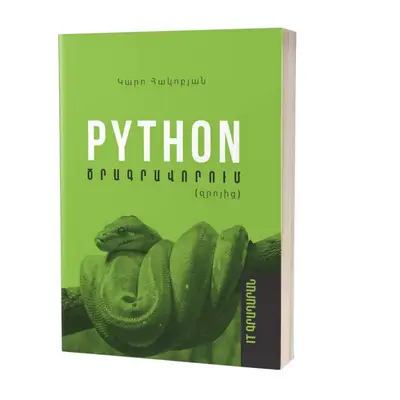
Python: Programming from Zero

Python: Programming from Zero

Edit Print